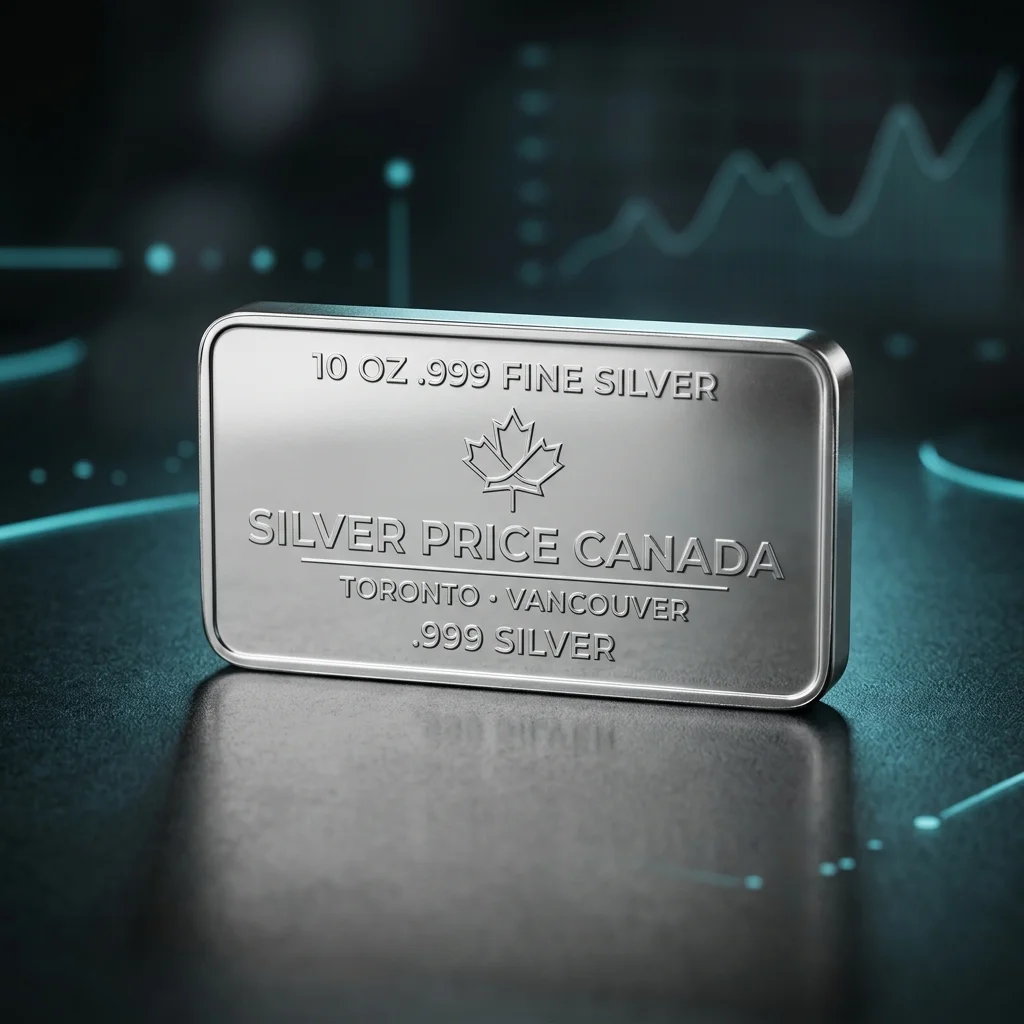
100% Focused on the Canadian Silver Market

Live Silver Price in Canada Today

Track precious metals with high precision. Access real-time silver spot pricing in Canadian Dollars, updated every 60 seconds. Our direct market feed provides transparent price tracking per ounce, gram, and kilogram, ensuring you make informed choices based on reliable finance data.

Updated Live Every Minute
Prices Shown in CAD
Canada-Focused Tracking
Market Closed
CAD ($)
$104.41 CAD
Per Troy Ounce
Per Gram$3.36
Per Kilogram$3356.86
Sync StatusUpdated 0 seconds ago
Global Market State:CLOSED
Spot Metal Purity Base:.999 Fine Silver
System Monitoring:ACTIVE
Market Overview

Today's Silver Price in Canada

Tracking the silver price in Canada is a daily habit for precious metals buyers, bullion collectors, and industrial commodity managers. Silver represents an exceptionally dynamic market, changing by the second during global trading hours. Today's silver price in Canada is approximately $104.41 CAD per troy ounce, with silver trading around $3.36 CAD per gram and approximately $3,357 CAD per kilogram.

The Canadian economy is highly integrated with global financial markets, which directly impacts how precious metals are valued locally. The price of silver in Canada is determined by two main factors. The first is the global spot price, typically set on commodity exchanges like the COMEX in New York and the London Bullion Market Association (LBMA). The second factor is the strength of the Canadian Dollar against the United States Dollar (USD). Canadian silver prices continue to fluctuate throughout the day, with live spot silver currently trading near $104 CAD per troy ounce.

Since international commodities are traded in USD, any movement in the USD/CAD exchange rate will immediately change the price you pay in Canada. For example, if the global price of silver in US Dollars remains completely flat, but the Canadian Dollar weakens against the USD, the local price of silver in CAD will rise. This currency dynamic is why Canadian precious metal buyers must track prices on a dedicated Canada-focused dashboard that calculates these foreign exchange movements in real time.

For everyday users, silver pricing moves in cycles that respond to broader economic trends. When inflation rises, investors often look to hard assets like physical silver as a way to preserve purchasing power. This action drives demand up and pushes local CAD prices higher. Conversely, when economic growth is stable, interest rates are rising, and stock markets are performing well, capital sometimes moves out of silver into yield-bearing assets, leading to a cooling of the spot price.

Real-Time Pricing Visuals

Live Canadian Silver Price Chart (CAD)

Explore historical movements, price fluctuations, and key market trends over multiple time intervals. Change the timeframe below to update the chart in real time.

Selected Timeframe View
$104.41 CAD
Visual Educational Guide

The Retail Silver Journey in Canada

Ever wondered why retail silver coins and bars cost more than the public spot price? Follow this interactive layout to see how raw metal turns into your investment bullion.

Step 1
⛏️

Global Extraction

Silver is extracted from active mining deposits, often as a byproduct of copper, lead, and zinc mining operations around the world.

Cost Basis:Mining Extraction Cost
Step 2
🔥

Refining & Pricing

Raw ore is refined to a purity level of 99.9%. The refined metal is traded on global financial hubs like the London Bullion Market to establish the spot price.

Pricing Benchmark:Live Spot Price (CAD)
Step 3
🍁

Minting Products

Sovereign institutions, like the Royal Canadian Mint, purchase raw bars and stamp them into beautiful Maple Leaf coins and bullion bars.

Premium Added:Minting & Design Costs
Step 4

Retail Buyer

You purchase physical bullion from local Canadian dealers. The final price includes spot price, transport, insurance, security, and retail markups.

Acquisition Cost:Spot + Premium

Interactive Silver Value Calculator

Calculate your silver weight value using our real-time CAD spot price feed.

Calculated CAD Value
$0.00 CAD
Based on live spot:$104.41 CAD / Troy Ounce
Quick Calculator Presets:
Practical Tools

How to Calculate the Value of Your Silver

Tracking your assets requires easy-to-use utility tools. Our interactive silver calculator uses real-time CAD spot pricing, giving you rapid calculations for any amount of silver in seconds. Whether you are looking to calculate the value of physical coins, pure bullion bars, historical Canadian junk silver, or sterling silver jewelry, you can quickly find their underlying metal value.

To calculate your silver's baseline value, follow three quick steps. First, weigh your items using a scale. Next, determine the purity of the metal. For example, standard investment bullion, like Canadian Silver Maple Leaf coins, is stamped with .9999 or .999 fine silver. Sterling silver jewelry is typically stamped with 925, representing 92.5% silver content. Finally, input these details into our calculator, select your measurement unit, and view the live CAD currency results instantly.

Knowing these weights is highly useful. If you own pre-1967 Canadian dimes, quarters, or half dollars, they contain 80% pure silver content. In 1967 and 1968, the Royal Canadian Mint briefly issued coins with 50% silver content. By choosing these options in our purity dropdown, you can value historical junk silver coins accurately without performing manual, complicated conversions.

Crucial Buyer Information

Why Retail Silver Prices Differ from the Spot Price

A common source of confusion for new silver buyers in Canada is the difference between the publicized spot price and the actual retail price charged by bullion dealers. If you see silver priced at thirty dollars per ounce on a financial news chart, you will quickly discover that buying a one-ounce silver coin from a Canadian dealer will cost several dollars more. Understanding this pricing gap is essential for planning physical precious metal acquisitions.

The international spot price is a benchmark for raw, unrefined metal traded in massive commercial contracts. These contracts represent large commercial bars, usually weighing 1,000 troy ounces each. When you buy retail coins or smaller bars, several additional costs are added to this baseline price. Collectively, these markups are known as the "dealer premium."

Several components make up the dealer premium. The first is the cost of manufacturing and minting. Refineries must melt down commercial silver bars, purify the metal to .999 or .9999 fineness, strike the metal into individual coins or stamp them into bars, and package them securely. Sovereign mints, like the Royal Canadian Mint, charge minting fees to cover their high-security operations, quality control, and artistic designs.

The second component is shipping and logistics. Silver is a dense and heavy metal, making the transport of bulk bullion shipments expensive. Dealers must pay for specialized armored vehicle transport, secure warehouse logistics, and comprehensive insurance policies to protect shipments from theft or loss.

The third component is retail overhead and security. Operating a secure physical or online bullion dealership requires extensive security measures, professional vaults, trading software, and customer service teams. Dealers must add a modest profit margin to these costs to keep their businesses running.

Finally, local supply and demand dynamics can cause premiums to fluctuate. If thousands of Canadian buyers rush to purchase physical silver at the same time, available dealer inventories will shrink. When physical silver is scarce, dealer premiums rise even if the global paper spot price remains flat. Understanding these factors helps you shop around, compare premiums across different Canadian bullion dealers, and select the products that offer the most silver for your Canadian Dollars.

Educational Video

How to Buy Physical Silver in Canada

Ready to take the next step and buy your first silver coin or bar? Watch our premium video guide. We break down the absolute essentials of physical silver buying for everyday Canadian investors.

In this detailed overview, you will learn the exact steps to select a reputable local or online Canadian dealer, verify coin purity marks, understand buy-back policies, and securely store your assets at home or in professional safety deposit vaults. Avoid common mistakes and protect your wealth with proven buying strategies.

  • Verifying .999+ Fine Silver Purity Standards
  • Evaluating Local Dealers vs. Major Online Bullion Sites
  • Understanding Tax-Exempt Status Under Canadian Law
  • Safe Storage Best Practices for Canadian Households
Video guide thumbnail: How to buy physical silver in Canada for new investors
Silver Price Canada | Guide
Educational Insights

Silver Investing in Canada: The Basics for Beginners

Allocating a portion of capital to precious metals has been a traditional wealth preservation strategy for decades. When reviewing your options, physical silver is often considered a highly accessible entry point compared to gold. In Canada, investors choose to buy silver for several distinct reasons, each reflecting a specific financial objective.

One primary motivation for buying silver is its historical role as a hedge against inflation. Paper currencies can lose purchasing power over time when central banks print more money. Because physical silver has a finite supply, its underlying purchasing power tends to remain stable over long periods. When living costs rise and everyday items become more expensive, silver prices often adjust upward to reflect this monetary expansion.

Another factor is the contrast between physical silver and paper-based financial assets. Owning physical bullion coins or bars in your direct possession eliminates third-party counterparty risk. Unlike corporate stocks, mutual funds, or digital bank accounts, physical silver cannot be hacked, diluted by corporate decisions, or wiped out by a company bankruptcy. It represents a real asset that you can hold in your hands.

However, investors should also understand the difference between physical silver and paper-based silver assets like Exchange Traded Funds (ETFs) or mining stocks. Silver ETFs track the spot price and are convenient for active traders who want to buy and sell quickly inside their brokerage accounts. But when you buy paper silver, you do not own the physical metal itself, only a financial contract. If the financial system faces a severe disruption, a paper claim might not offer the same protection as physical metal stored in your own vault.

For Canadian beginners, starting slowly is the most practical path. Many retail buyers choose to purchase a few sovereign bullion coins, like the Canadian Silver Maple Leaf, to understand the purchasing process and inspect the weight and purity of physical bullion firsthand. By slowly building your physical holdings over time, you can diversify your assets without taking on excessive financial risk.

Retail Options

Popular Silver Bullion Products in Canada

Explore the gold-standard physical silver options preferred by Canadian investors for their high purity, liquid buy-back rates, and global recognition.

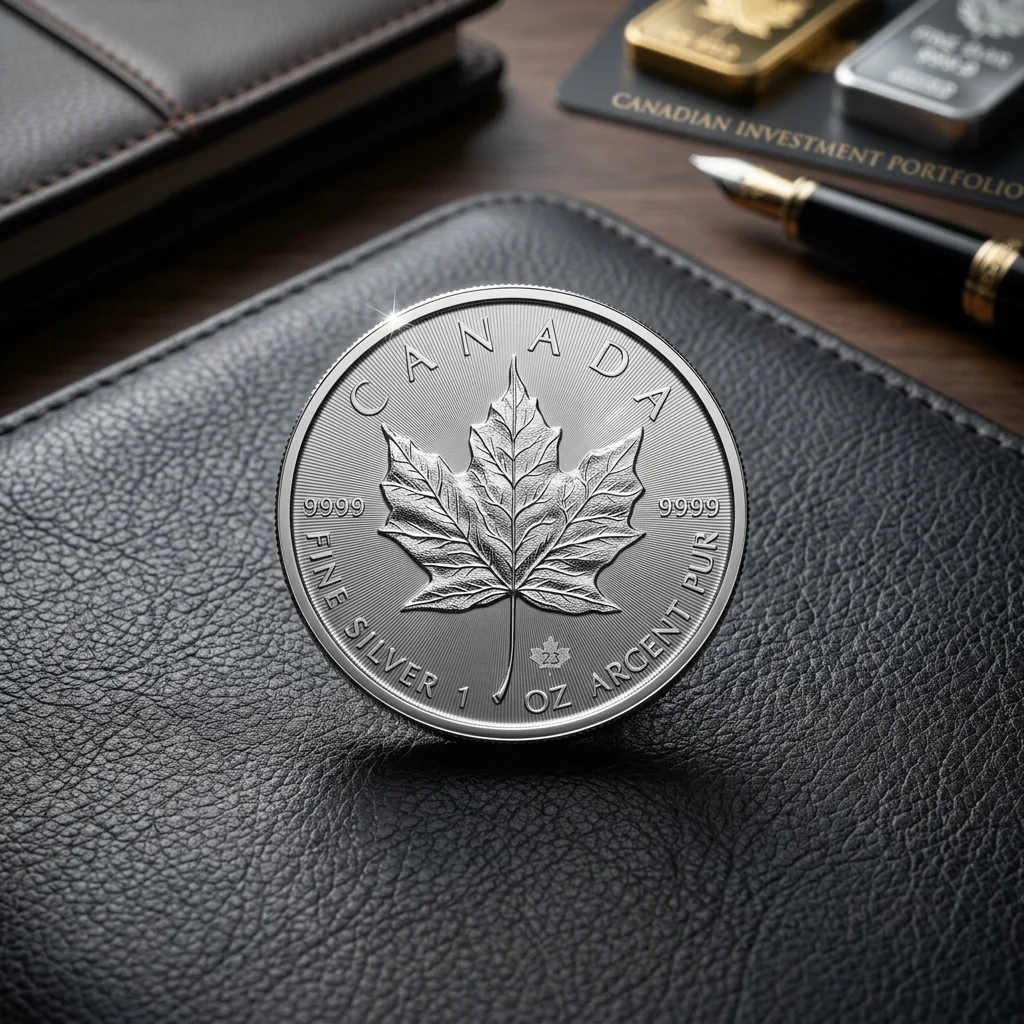
Royal Canadian Mint Silver Maple Leaf 1 oz coin, 99.99% pure fine silver
Most Popular
Sovereign Coin

Canadian Silver Maple Leaf

Struck by the Royal Canadian Mint, the Silver Maple Leaf is globally famous for its unmatched .9999 purity level, micro-engraved security features, and legal tender face value of five dollars.

Purity:99.99% Fine Silver
Weight:1 Troy Ounce (31.1g)
Issuer:Royal Canadian Mint
10 oz silver bullion bar, 99.9% fine silver, assayed and stamped
Best Value
Bullion Bar

10 oz Silver Bullion Bar

Designed for cost-effective investing, a 10 oz silver bullion bar offers lower dealer premiums per ounce than individual coins. These bars are easy to stack, store, and count within your home vault.

Purity:99.9% Fine Silver
Weight:10 Troy Ounces (311g)
Refiners:Assayed Bullion Brands
FAQ Hub

Frequently Asked Questions About Silver Prices

Have quick questions about the Canadian silver market? We have prepared answers to the most common questions raised by precious metal buyers, focusing on spot pricing, taxes, and dealer markups in Canada.

Need more detailed information? Feel free to contact our research desk. We update our resources regularly to ensure everyday Canadians have access to plain-English guidance.
What is the silver price in Canada today?

The live spot price of silver in Canada is updated in real time throughout the day in Canadian Dollars (CAD). The price fluctuates based on global market demand, trading volumes, and economic indicators. You can view the current price per ounce, gram, and kilogram on our live dashboard.

How often does silver price update?

Our silver price data updates every 60 seconds during active global trading hours. Spot markets run 24 hours a day from Sunday evening to Friday afternoon, meaning you will see continuous updates when global markets are open.

Why does silver price change daily?

Silver is traded globally as both an industrial metal and a monetary asset. Its price changes daily due to fluctuating supply and demand dynamics, inflation rates, interest rates, currency strength (particularly the USD/CAD exchange rate), and macroeconomic events.

Is silver cheaper in Canada?

Silver itself is priced globally on international exchanges. The price is converted to Canadian Dollars based on current foreign exchange rates. While the raw metal cost is virtually identical worldwide, local dealer premiums, shipping costs, and provincial sales taxes can affect your total acquisition cost in Canada.

What affects silver prices?

Silver prices are influenced by industrial demand (solar panels, electronics, and electric vehicles), investment demand for physical bullion, geopolitical stability, central bank monetary policy, currency fluctuations, and mining supply constraints.

What is spot silver price?

The spot price is the current international benchmark price at which one troy ounce of raw, unrefined silver can be bought or sold for immediate delivery. It serves as the baseline price before any manufacturing, minting, or retail distribution costs are added.

Why do dealers charge more than spot price?

Dealers charge a markup called a premium. This premium covers the cost of refining raw silver into coins or bars, transport, insurance, security, business overhead, and a modest dealer profit margin. Spot price is the metal value, while dealer price is the retail product price.

Is silver taxed in Canada?

In Canada, investment-grade precious metals are exempt from GST/HST. To qualify as tax-exempt, silver bullion bars or coins must have a purity level of at least 99.9% (fine silver). Any products below this purity standard are subject to standard federal and provincial sales taxes.

How is silver priced in CAD?

Silver is primarily traded globally in United States Dollars (USD) per troy ounce. To calculate the CAD price, the international USD spot price is multiplied by the prevailing USD/CAD exchange rate. As a result, changes in the Canadian dollar's value can influence the local price of silver even if the global USD price remains flat.

Long-Term Market Factors

Why Canadians Track Silver Prices Daily

The habit of monitoring silver pricing daily is shared by a growing number of Canadians. This daily check is not just about tracking small fluctuations, but rather understanding how global macroeconomic events impact their personal finances. Several key factors explain why everyday buyers, coin collectors, and industry professionals watch the silver market closely.

The first major factor is inflation and currency trends. In recent years, living costs in Canada have risen, putting pressure on household savings. When the purchasing power of the Canadian dollar decreases, Canadians seek out tangible assets that maintain their value. Because silver has a historical track record of preserving wealth during periods of currency depreciation, tracking its price helps buyers decide when to trade paper money for hard bullion assets.

The second factor is industrial demand. Unlike gold, which is mostly stored in vaults or worn as jewelry, silver is an indispensable industrial metal. It has the highest electrical and thermal conductivity of any metal, making it essential for modern technologies. The green energy transition relies heavily on silver. Solar panels, electric vehicle battery networks, and high-frequency electronics all require significant amounts of physical silver. As global manufacturers increase their production of green tech, industrial demand rises, creating supply constraints that can push the spot price up. Tracking the market daily allows buyers to spot these demand surges early.

The third factor is economic and geopolitical uncertainty. During global political tensions, banking sector worries, or stock market volatility, precious metals often experience rapid price increases as money seeks safe havens. Watching daily spot movements gives Canadians a real-time indicator of global financial stress levels.

Finally, local supply chains in Canada play a role. Physical silver products, like the popular Silver Maple Leaf, are highly liquid and can be easily bought or sold at bullion dealerships across the country. However, because local dealer stocks are limited, a sudden surge in demand can lead to product shortages and high dealer premiums. By staying updated with daily live pricing, Canadian investors can identify quiet buying opportunities and execute their purchases before premiums rise during high-volume periods.